Article: Do Waist Trainers Actually Work? Here’s What You Need to Know
Do Waist Trainers Actually Work? Here’s What You Need to Know
Waist trainers have become one of the most talked-about body-shaping tools — but do they actually work, or are they just hype?
The truth sits somewhere in the middle. Waist trainers can be effective when used correctly and with the right expectations. Let’s break down what they do, what they don’t do, and how to use them properly for real results.
What Is a Waist Trainer?
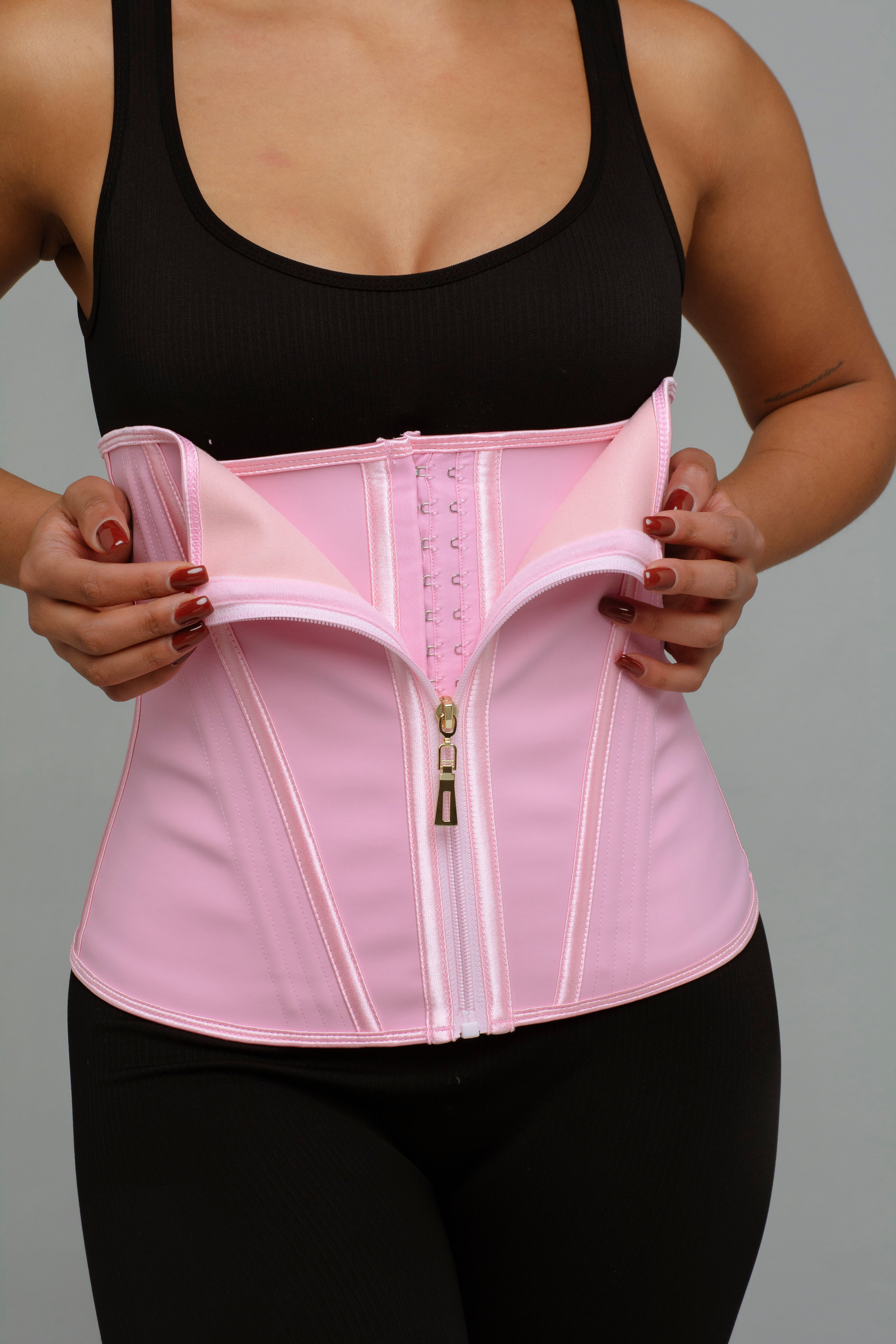
A waist trainer is a structured compression garment designed to:
-
Compress the waist and midsection
-
Support posture
-
Enhance curves by creating a more defined waistline
Unlike everyday shapewear, waist trainers are firmer, more structured, and often include boning, hook-and-eye closures, or latex compression.
So… Do Waist Trainers Actually Work?
Yes, but not in the way many people expect.
Waist trainers do not permanently burn fat or magically shrink your waist overnight. What they do provide is:
✔ Immediate waist compression
✔ A visibly smoother, more sculpted silhouette
✔ Improved posture support
✔ Temporary waist reduction while worn
When worn consistently over time, some people notice:
-
A more defined waist appearance
-
Better posture awareness
-
Improved body shaping under clothing
The key word here is temporary shaping, not permanent fat loss.
What Waist Trainers Do NOT Do
It’s important to be realistic:
-
❌ They do not replace exercise
-
❌ They do not spot-reduce fat
-
❌ They do not permanently change your body on their own
-
❌ They do not work if worn incorrectly or inconsistently
Anyone claiming otherwise is selling a myth.
How Waist Trainers Work Best
To get the most out of a waist trainer, use it as a supporting tool, not a miracle solution.
Best ways to use a waist trainer:
-
Wear it during daily activities for posture support
-
Use it under outfits for smoothing and shaping
-
Wear it during light movement or walks (not intense workouts unless designed for it)
-
Combine it with a healthy lifestyle and balanced diet
Consistency matters more than tightness. A waist trainer should feel secure, not painful.
Choosing the Right Waist Trainer Matters
Not all waist trainers are created equal. A poorly made one can be uncomfortable and ineffective.
Look for:
-
Strong but flexible compression
-
Quality stitching and closures
-
Structured boning that supports (not digs)
-
A shape that sits comfortably under the bust
-
The correct size, sizing down too much can backfire
A well-designed waist trainer should feel supportive and empowering, not restrictive.
Waist Trainers vs Shapewear. What’s the Difference?
-
Waist trainers offer stronger compression and structure
-
Shapewear focuses on smoothing and everyday comfort
Many people use both, depending on the occasion:
-
Shapewear for daily wear
-
Waist trainers for targeted shaping and posture support
Are Waist Trainers Safe?
When worn correctly and in the right size, yes.
Safety tips:
-
Don’t sleep in a waist trainer
-
Avoid excessive tightness
-
Take breaks throughout the day
-
Listen to your body
If it feels painful or restricts breathing, it’s too tight.
The Bottom Line
Waist trainers do work, but only when used realistically.
They are:
✔ A shaping tool
✔ A confidence booster
✔ A posture support garment
They are not:
❌ A weight-loss shortcut
❌ A permanent body solution
When chosen correctly and worn mindfully, waist trainers can absolutely be part of a confident, sculpted wardrobe.
Final Tip
The best waist trainer is one that makes you feel supported, comfortable, and confident, not pressured to change your body.

Leave a comment
This site is protected by hCaptcha and the hCaptcha Privacy Policy and Terms of Service apply.